
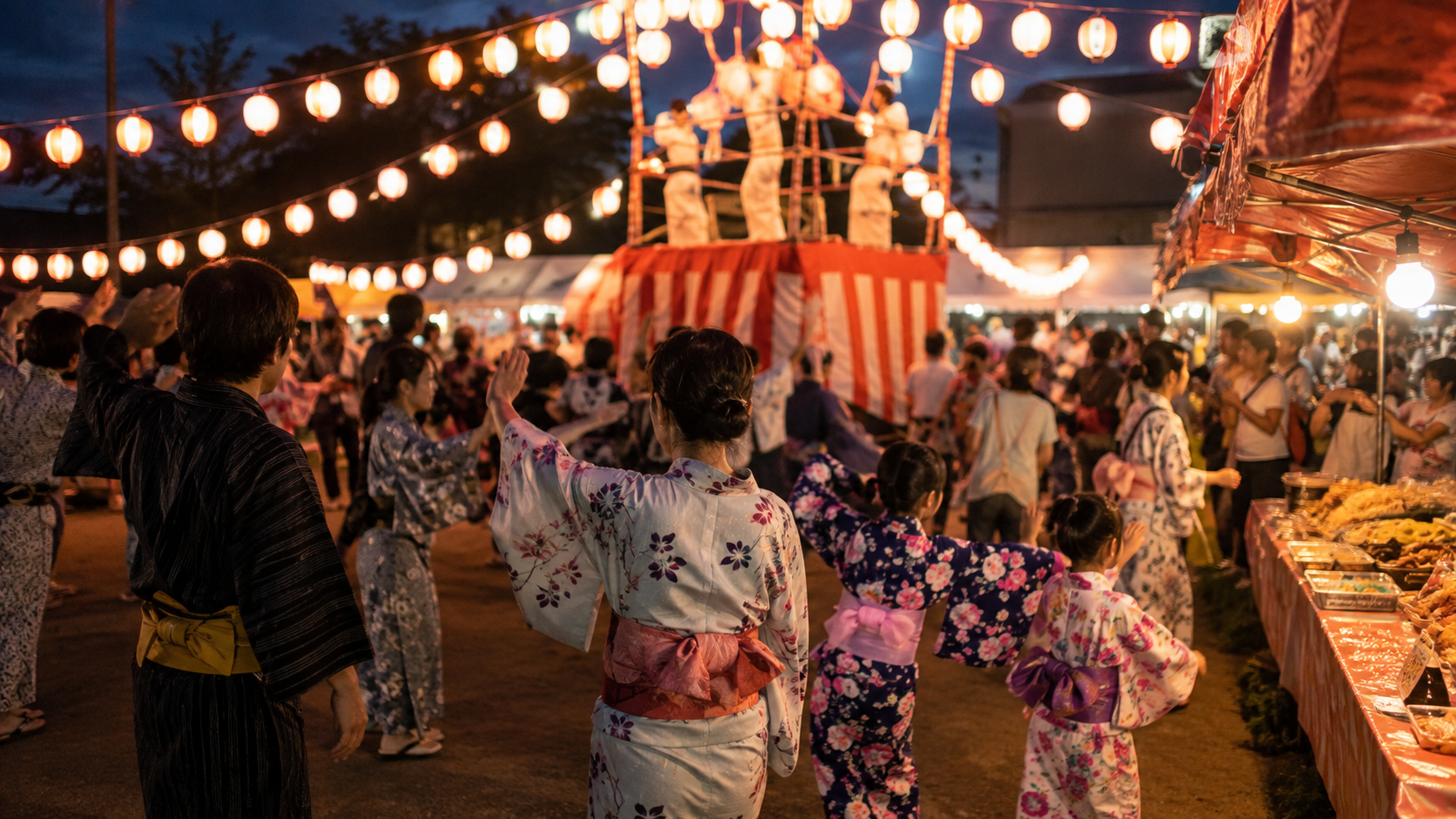
neighborhood evening festivals are receiving fresh attention as organizers are rebuilding volunteer teams with shorter shifts and more clearly defined roles. The shift is not a rejection of tradition. It is an attempt to keep useful local practices visible, workable, and connected to the people who live around them.
The immediate reason is practical: traditional events depend on local participation, but residents have less time for open-ended preparation than previous generations. Organizers increasingly understand that cultural value survives only when the activity also fits current schedules, budgets, safety expectations, and the everyday needs of residents.
Much of the real work happens before the public sees a result. In this case, committees divide work among lantern setup, dance practice, food areas, cleanup, visitor guidance, and emergency support. Each step creates decisions about quality, responsibility, and timing, and those decisions determine whether the project can be repeated rather than staged once.
A representative example shows the model clearly: a volunteer who can offer only two hours may supervise one crossing or help one stall instead of joining weeks of meetings. This kind of focused experience gives participants something concrete to understand while keeping the activity rooted in a particular place instead of turning it into generic entertainment.
The main obstacle is equally specific. experienced organizers hold essential knowledge, yet relying on the same small group creates fatigue and succession problems. Ignoring those limits can produce a polished launch followed by exhaustion, conflict, or unexpected expense. Strong teams therefore discuss constraints early and assign ownership before making large public promises.
The most useful response has been straightforward: written checklists, shared storage maps, and brief training sessions make it easier for new helpers to contribute confidently. These measures may appear modest, but they convert informal knowledge into a system that more people can join, evaluate, and improve without removing the human judgment at its center.
The economic effect reaches beyond a single event or workshop. the festival keeps its local character while spreading responsibility across families, businesses, students, and older residents. Money is only one measure; time, confidence, skills, and relationships also determine whether a local initiative leaves capacity behind after the initial attention has faded.
Residents benefit when communication stays honest. Leaders should publish schedules, explain changes, invite feedback, and report what did not work. That transparency prevents nostalgia or promotion from replacing evidence and gives newcomers permission to suggest improvements without appearing disrespectful.
The longer view remains encouraging. events that respect volunteer time are more likely to remain annual traditions rather than exhausting occasional revivals. Success will depend less on dramatic expansion than on careful repetition, documented learning, and a willingness to protect the qualities that made the activity locally meaningful in the first place.